
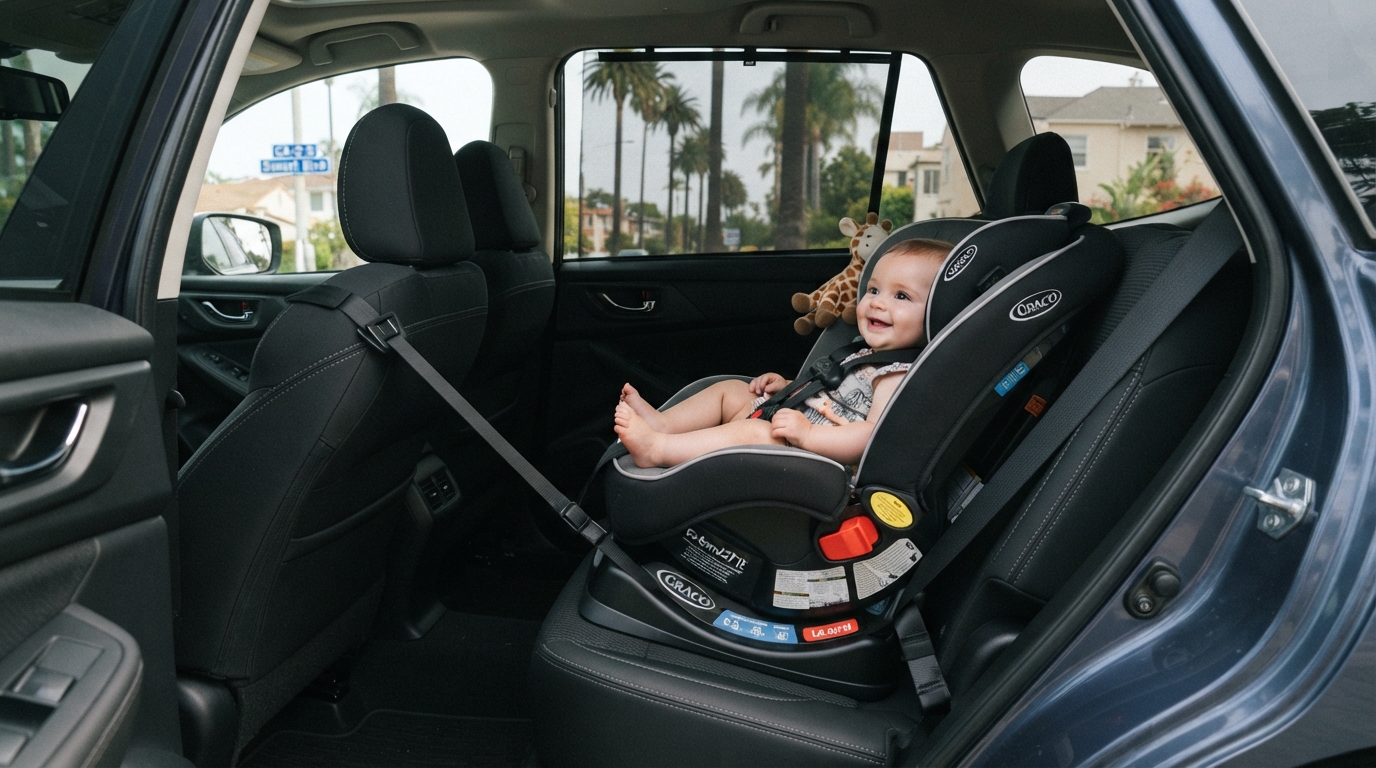
Child Passenger Safety Week runs from September 20 through September 26, 2026, making this a timely moment for California parents and caregivers to check whether every child in the family is riding in the right restraint. A car seat can only provide its intended protection when it matches the child’s size, is installed correctly, and is used properly on every trip.
National Highway Traffic Safety Administration data show why the issue deserves attention. In 2024, an average of two children age 14 and younger were killed and 349 were injured each day in passenger-vehicle crashes. NHTSA also reported that 39% of children killed in crashes that year were unrestrained. Those figures are national, but California families face the same basic challenge: choosing and using the correct seat consistently.
This guide explains the main California car seat laws in 2026, when rear-facing and booster seats are required, and what caregivers should check as children grow. For more road-safety coverage, visit CaliBrief’s Public Safety section, Transportation coverage, and California Guides.
California Car Seat Rules Parents and Caregivers Should Know
California law sets minimum child-restraint requirements based on age, size, and seating position. However, the legal minimum is not always the same as the safest next step for a particular child. Parents should follow both California requirements and the height and weight limits provided by the car-seat manufacturer.
The California Highway Patrol says children under age 2 must ride in a rear-facing car seat unless they weigh at least 40 pounds or are at least 40 inches tall. Children under age 8 generally must be secured in an appropriate car seat or booster seat in the back seat. Once a child is 8 years old or reaches 4 feet 9 inches in height, California law allows the child to use a seat belt, although proper belt fit still matters.
Rear-facing and booster-seat requirements explained
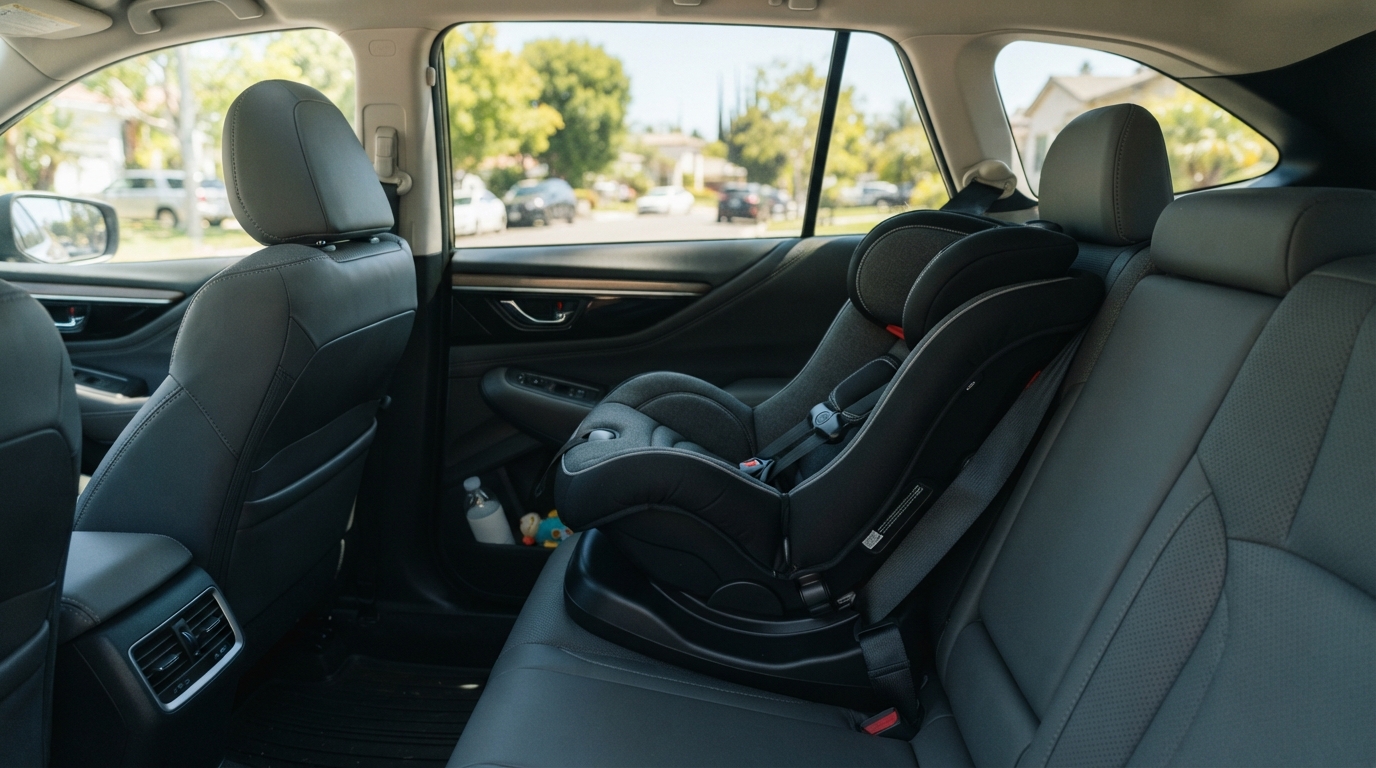
Rear-facing seats support a young child’s head, neck, and spine by spreading crash forces across the shell of the restraint. That is why safety organizations recommend keeping children rear-facing until they reach the upper height or weight limit of the seat, even when they have already passed the minimum age requirement.
After a child outgrows a rear-facing seat, the next step is usually a forward-facing seat with a harness. Later, when the child exceeds the forward-facing harness limits and can sit properly for the entire trip, a belt-positioning booster helps the vehicle’s lap-and-shoulder belt fit correctly.
When a child should remain rear-facing
California’s legal rule for children under 2 includes the 40-pound or 40-inch exception, but parents should still look at the car-seat manufacturer’s limits. Many modern seats allow children to remain rear-facing well beyond their second birthday. Moving a child forward-facing simply because the child turns 2 may reduce protection if the seat still allows rear-facing use.
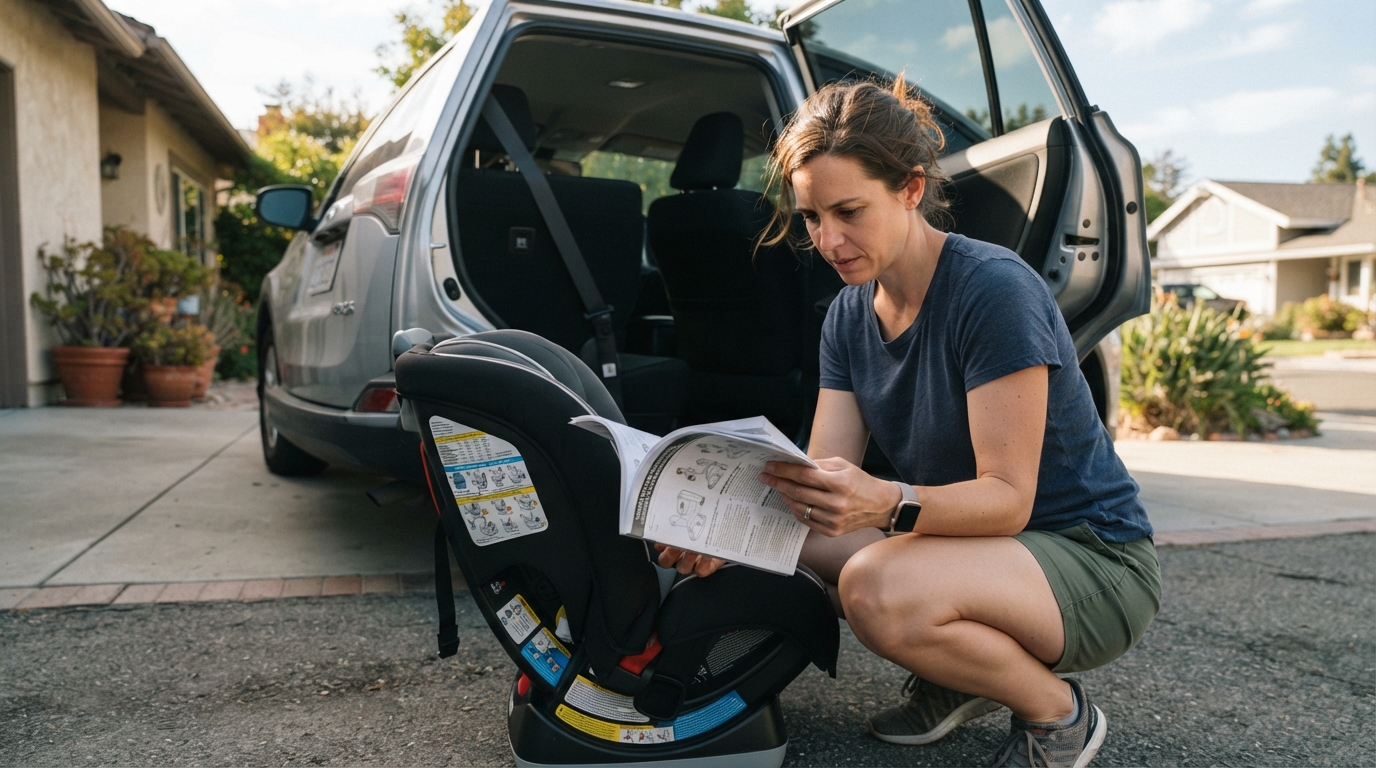
Check the seat label and instruction manual for maximum rear-facing height and weight. Also confirm that the harness is routed and tightened according to the manufacturer’s instructions. A seat that is appropriate for the child’s age can still be used incorrectly if the harness position or installation is wrong.
When a booster seat is still needed
A booster seat is designed to position the vehicle belt over stronger parts of a child’s body. The lap belt should sit low across the hips rather than the abdomen, while the shoulder belt should cross the chest and shoulder rather than the neck or face.
California allows children who are 8 years old or at least 4 feet 9 inches tall to use a standard safety belt, but caregivers should still check the actual fit. The California Highway Patrol recommends a simple five-step test that looks at whether the child can sit fully against the seat, bend the knees at the seat edge, keep the lap belt low, position the shoulder belt correctly, and remain seated that way for the entire trip.
Why correct installation matters
Choosing the right seat is only part of the job. Installation errors can reduce the protection a restraint provides. Common problems include a loose car seat, twisted harness straps, incorrect belt routing, an improperly positioned chest clip, and switching to the next restraint stage too early.
Before installing a seat, read both the car-seat manual and the vehicle owner’s manual. The manuals explain whether you should use the lower anchors, a seat belt, a top tether, or a specific combination. Do not assume that using more attachment methods is automatically safer. Follow the instructions for your exact seat and vehicle.
Get a free or local car seat check
California families do not have to figure everything out alone. The California Highway Patrol says local CHP offices offer child-safety-seat checks and access to trained child passenger safety technicians. These appointments can help caregivers verify installation, harness fit, and the correct restraint stage.
Child Passenger Safety Week also culminates in National Seat Check Saturday on September 26, 2026. NHTSA promotes inspection locations where trained technicians can provide hands-on instruction. Even experienced parents can benefit from a check when moving a seat to a new vehicle, installing a new model, or changing from rear-facing to forward-facing.
The California Highway Patrol child safety seat guidance is a strong authority source for current state requirements. NHTSA also provides a car-seat finder, installation guidance, and inspection-location tools for parents who need additional help.
A Simple California Car Seat Safety Checklist for Every Trip
Car-seat safety should become routine rather than something families think about only during a long road trip. Many crashes occur close to home, so the restraint needs to be used correctly even for a short school drop-off, grocery run, or drive to a nearby park.
Before every trip, confirm that the child is in the appropriate seat, the harness is snug, and bulky clothing is not preventing a secure fit. Make sure the chest clip sits at the correct level according to the manufacturer’s instructions. For booster-seat riders, check that the vehicle belt stays in the correct position and that the child does not place the shoulder belt behind the back or under an arm.
What to review as your child grows
Children can outgrow a car seat by height before they reach its maximum weight, or by weight before they reach the maximum height. Review both limits. Also check whether the child’s shoulders, head position, and harness placement still meet the manufacturer’s requirements.
Do not rush a transition because a child wants to ride like an older sibling. Each move from rear-facing to forward-facing, from a harness to a booster, and from a booster to a seat belt changes how the child is protected. Stay in each stage until the current restraint has genuinely been outgrown.
Register the seat and watch for recalls
Registering a car seat with the manufacturer makes it easier to receive recall and safety notices. Keep the model name, model number, and manufacture date accessible. If you inherit or buy a used seat, confirm its history, expiration date, and recall status before using it. Avoid a seat that has an unknown crash history or missing labels and instructions.
NHTSA advises consumers to watch for recall notices and follow manufacturer instructions when a safety issue is identified. If a recall affects your seat, the manufacturer may provide a repair kit, replacement part, or other remedy. Do not improvise a repair unless the manufacturer specifically instructs you to do so.
Families buying another vehicle should also think about child-seat fit before signing a contract. Rear-seat width, lower-anchor locations, tether access, and the number of restraints you need can affect whether a vehicle works for your household. If you are shopping for a used family car, read our guide to California used car buying changes in 2026 before visiting a dealer.
Finally, remember that California law establishes minimum requirements. A child’s safest setup depends on the restraint, vehicle, age, height, weight, and proper use. When you are uncertain, ask a certified child passenger safety technician instead of guessing.
Child Passenger Safety Week is a useful reminder, but car-seat safety matters every day of the year. Check the seat, check the harness, and check the fit as your child grows. A few minutes of attention before the car moves can make a meaningful difference in a crash.