

California used car buyers are getting an important new consumer protection on October 1, 2026. Under the California Combating Auto Retail Scams Act, commonly called the CARS Act, qualifying buyers must be offered a three-day contract cancellation option agreement for certain used vehicles priced at $50,000 or less. The change matters because many shoppers assume every vehicle purchase already comes with a cooling-off period. In California, that is not generally true.
The new rule gives shoppers more time to reconsider a qualifying used car transaction, but it is important to understand how the option works before signing paperwork. It does not mean every buyer can simply return any vehicle three days later with no conditions. Instead, consumers should read the cancellation agreement, understand the vehicle and price limits, and keep copies of every document provided by the dealer.
This guide explains the 2026 California used car buying changes in practical terms. It also shows how the new rules fit into existing buyer protections. For more plain-language consumer information, visit CaliBrief’s Consumer coverage and California Guides.
What Changes for California Used Car Buyers on October 1, 2026
The California Department of Motor Vehicles says the CARS Act takes effect on October 1, 2026. The law strengthens rules around vehicle sales and financing and expands the cancellation-option framework for qualifying used vehicles. It also targets misleading representations about a vehicle’s total cost and financing terms.
For buyers, the biggest practical change is the move from the current two-day cancellation option for certain lower-priced used vehicles to a three-day option for qualifying used cars valued at $50,000 or less. Because vehicle transactions can include financing, add-on products, warranties, taxes, fees, and trade-in terms, an extra day can give a shopper more time to review what was actually signed.
The three-day cancellation option explained
California’s existing Car Buyer’s Bill of Rights already requires dealers to offer a contract cancellation option agreement on certain used vehicles. Starting October 1, 2026, the DMV says consumers who purchase a used car valued at $50,000 or less must be offered a three-day cancellation option agreement.
The key phrase is “cancellation option agreement.” This is different from a broad, automatic right to return a vehicle for any reason. The DMV specifically warns that there is no general cooling-off period unless the buyer purchases or otherwise obtains the applicable cancellation option agreement. Therefore, shoppers should not leave the dealership assuming they can return the car later without checking the contract.
Which used vehicles are covered?
The new threshold raises the value of qualifying used vehicles to $50,000 or less. However, not every vehicle transaction falls within the cancellation-option rules. Existing DMV guidance lists exclusions for certain transactions and vehicle types, including new vehicles, private-party transactions, motorcycles, recreational vehicles, off-highway vehicles, and vehicles purchased primarily for business or commercial use. Buyers should confirm the rules that apply to their specific transaction on the day of purchase.
Price also matters. A vehicle advertised near the threshold may end up with a different total after taxes, fees, service contracts, or optional products are added. Ask the dealer which amount is used to determine eligibility for the cancellation option and make sure the answer is reflected in the documents you receive.
What the cancellation option does—and does not—mean
A cancellation option gives the buyer a defined period to cancel under the terms of the agreement. It does not erase the need to inspect the vehicle, compare financing, or review the contract before signing. In fact, those steps remain essential because returning a vehicle can involve conditions concerning mileage, damage, timing, and other requirements stated in the agreement.
Before leaving the dealership, ask the salesperson to point out the cancellation terms in writing. Check the deadline, the method for returning the vehicle, any mileage limit, and the condition in which the vehicle must be returned. Also ask how a trade-in, down payment, or financing arrangement will be handled if the transaction is canceled.
New dealer disclosure and sales rules to know

The 2026 changes are not only about returns. The DMV says the CARS Act prohibits dealers from misrepresenting important parts of a vehicle transaction, including the total cost and financing terms. That is significant because a monthly payment by itself does not tell a buyer how expensive a loan really is.
A lower monthly payment can come from a longer loan term, a larger down payment, or a different interest rate. Add-on products can also raise the amount financed. Buyers should focus on the complete transaction rather than a single number presented during negotiations.
Why the total price and financing terms matter
Before signing, compare the vehicle’s selling price, taxes and government fees, dealer charges, optional products, amount financed, annual percentage rate, loan term, monthly payment, and total of payments. If you are trading in another vehicle, review the trade-in value and any remaining loan balance separately. Keeping those numbers separate makes it easier to understand whether the deal matches what was discussed.
Do not rely only on verbal promises. If a dealer agrees to repair an item, include an accessory, remove an add-on, or change a fee, make sure the final paperwork reflects that agreement. A written contract is much easier to verify later than a conversation.
The California DMV Car Buyer’s Bill of Rights is a useful authority source for current rules. Because regulations and dealership requirements can change, use the DMV’s current guidance rather than relying on an old social media post or a generic checklist.
How to Use the New California Used Car Protections Wisely
The three-day cancellation option can provide useful breathing room, but the strongest strategy is still to make a careful decision before taking possession of the car. Start by researching the model, typical price range, reliability record, insurance cost, and known recalls. Then compare financing before you arrive at the dealership whenever possible.
If you receive dealer financing, read the annual percentage rate and total amount financed instead of looking only at the monthly payment. Ask which products are optional. Common extras can include service contracts, theft products, paint protection, tire-and-wheel coverage, or other packages. Some buyers want these products, while others do not. The important point is to know what you are paying for.
A practical checklist before you sign
Test-drive the vehicle in conditions that resemble your normal use. Check warning lights, climate control, cameras, windows, tires, brakes, and basic electronics. If possible, arrange an independent inspection, especially for an older vehicle or one with an unclear service history. A cancellation option should not replace mechanical due diligence.
Next, compare the purchase contract with the price and terms you expected. Slow down when you reach the finance office. This is where optional products and loan terms are often finalized. If a number changed, ask why. If you do not understand a line item, ask for an explanation before signing.
Check recalls, history, and financing before leaving the lot
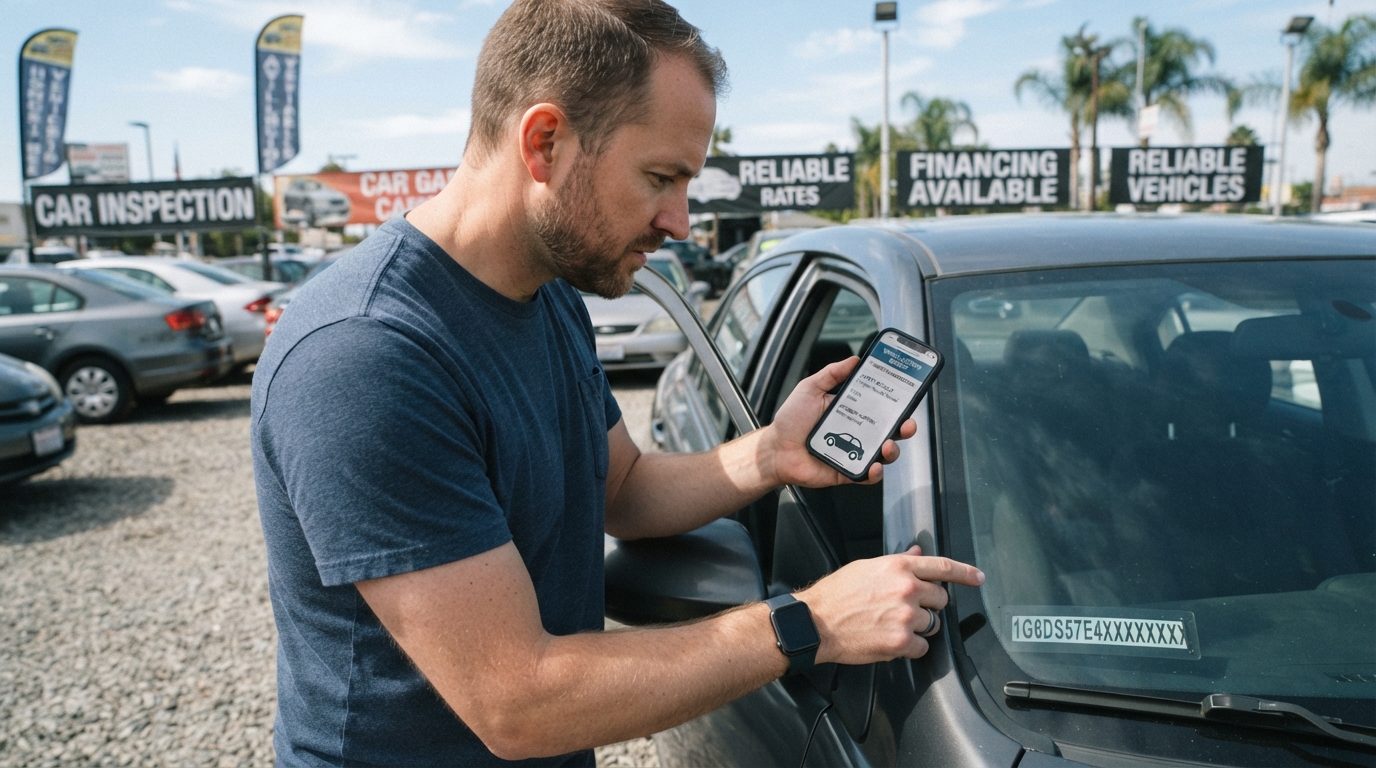
Vehicle history reports can provide useful information, but they are not perfect. Check the title status and review maintenance or collision records when available. Then run the vehicle identification number through the federal recall database. If an open recall exists, ask whether the repair has been completed and whether a remedy is available.
Also confirm your insurance before driving away. Rates can vary sharply by vehicle, driver, location, coverage, and insurer. A car that fits the purchase budget may still be expensive to insure. Getting a quote before signing can prevent a surprise later.
Keep a complete copy of the signed contract, cancellation option agreement, financing disclosure, warranty documents, inspection report, and any written promises. Store digital copies as well. If you decide to use the cancellation option, follow the contract instructions exactly and act before the deadline.
Consumers should also remember that a cancellation option is only one part of a safe purchase. Vehicle recalls, child-passenger safety, insurance costs, and maintenance all affect the real-world ownership experience. Families shopping for a vehicle can also review our guide to California car seat laws in 2026.
The bottom line is simple: California’s October 2026 rules give qualifying used car shoppers an additional layer of protection, but buyers still need to read the agreement and understand the transaction. Treat the three-day option as a safety net, not as a substitute for careful shopping. When the paperwork is clear and the vehicle checks out, you can make the decision with much more confidence.