
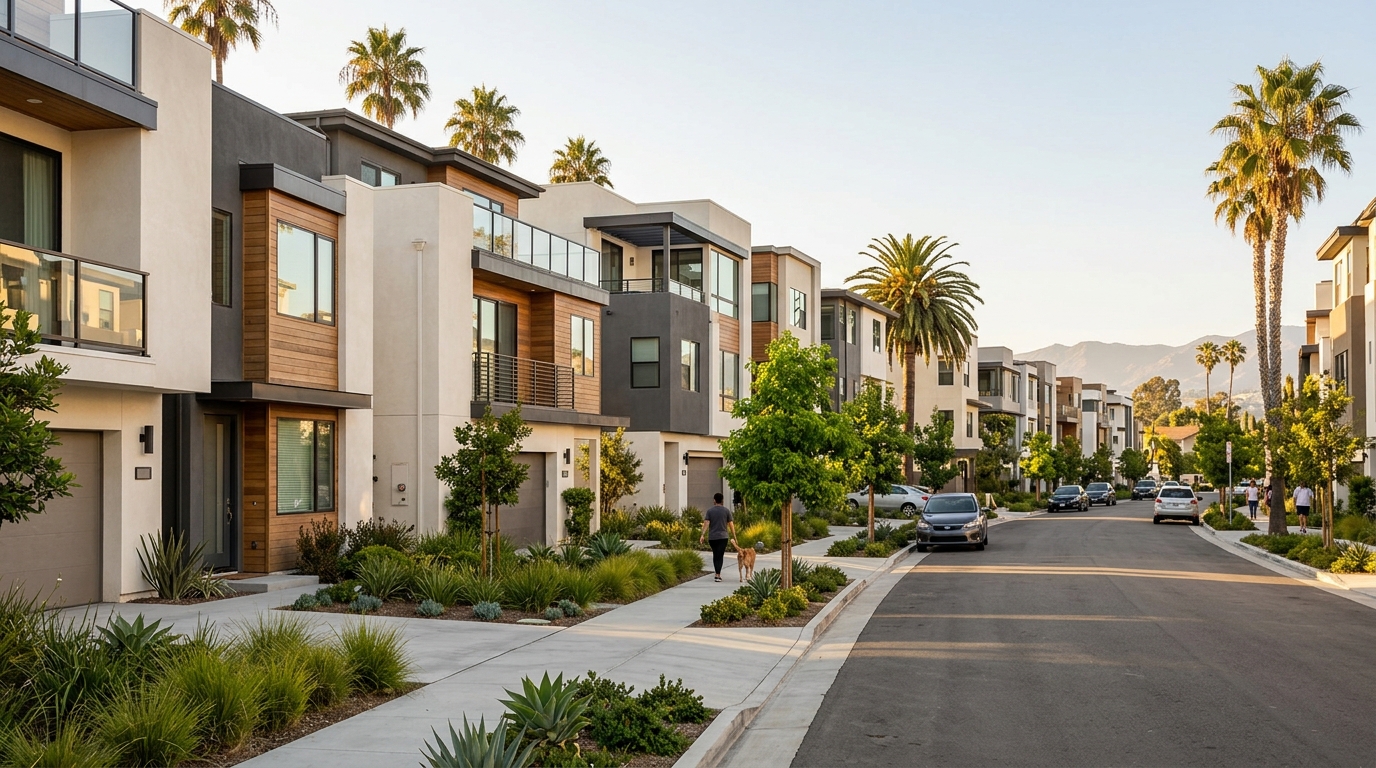
California housing laws for 2027 are attracting attention after Governor Gavin Newsom signed another package of housing legislation on September 29, 2026. The new measures seek to speed up home construction, simplify permitting, expand ownership opportunities, and address barriers to affordable housing.
California has struggled with high housing costs for years. Renters face limited affordable options, while prospective homeowners often encounter prices that exceed their budgets. At the same time, builders must navigate complicated approval procedures, construction expenses, and financing requirements.
The September legislation addresses several parts of that problem. However, signing a bill does not immediately produce new homes or guarantee lower prices.
This guide explains the major reforms, what they could mean for Californians, and how to follow local implementation as 2027 approaches.
What Changed in California’s 2026 Housing Legislation?
The September 29 housing package includes measures affecting development permits, townhomes, factory-built housing, and certain affordable rental projects.
State officials describe the legislation as part of a broader effort to increase housing supply and reduce unnecessary regulatory delays.
Some measures create new approval pathways, while others address the cost of building or maintaining residential properties.
Each law has its own provisions and implementation requirements. Therefore, residents should not assume that every reform takes effect on January 1, 2027, or applies to every city.
New efforts to speed up housing permits
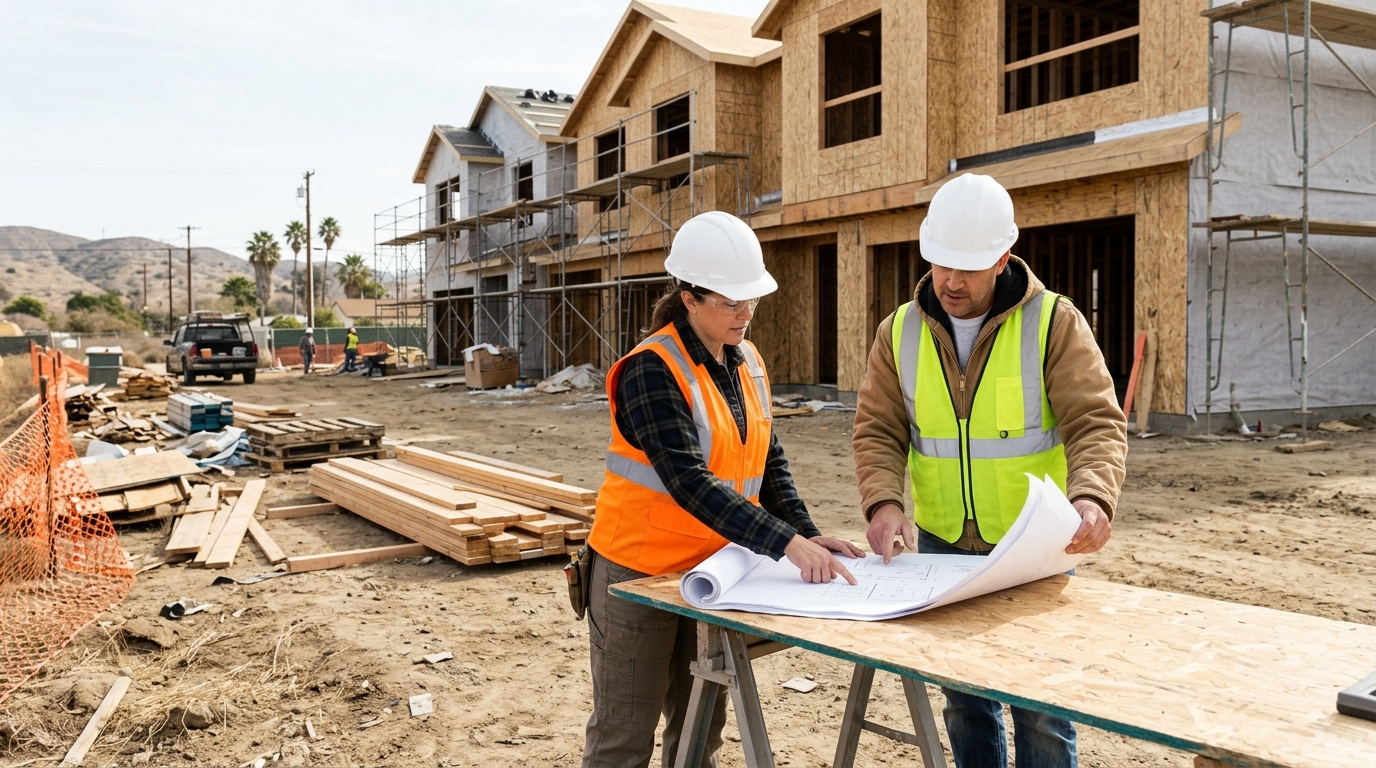
Building a home involves more than hiring a contractor and purchasing materials. Developers may need zoning approvals, building permits, plan reviews, inspections, and other authorizations.
These procedures help enforce safety standards and land-use requirements. However, repeated reviews and uncertain timelines can also delay construction.
The September 2026 package includes reforms aimed at limiting unnecessary repeated plan checks and tightening certain approval and appeal deadlines.
The goal is to make qualifying projects move through local processes more predictably.
Why shorter approval timelines matter
Delays can increase financing expenses, labor costs, and project uncertainty. A developer may carry land and borrowing costs while waiting for an approval.
These expenses can affect whether a proposed development remains financially practical.
Faster review may reduce some costs, but it does not eliminate requirements for safe design, inspections, or legal compliance.
Local governments still play an important role in evaluating projects.
Residents should also recognize the difference between a planning approval and a construction permit. A project may clear one stage while additional reviews remain.
For the state’s official overview, read the September 2026 California housing legislation announcement.
How townhome development may become easier
The legislation also creates a streamlined approval pathway for certain qualifying townhome developments.
Townhomes can provide an alternative between detached houses and apartment buildings. Depending on their design, they may accommodate several households on land that would otherwise contain fewer homes.
Some buyers value townhomes because they offer ownership opportunities without the lot sizes associated with conventional detached houses.
However, eligibility for streamlined approval depends on the specific law and project characteristics.
A city does not automatically have to approve every proposed townhome project.
Consumers should also remember that increased construction opportunities do not guarantee a particular selling price.
Factory-built housing and affordability reforms
Another part of the housing package addresses factory-built residential construction.
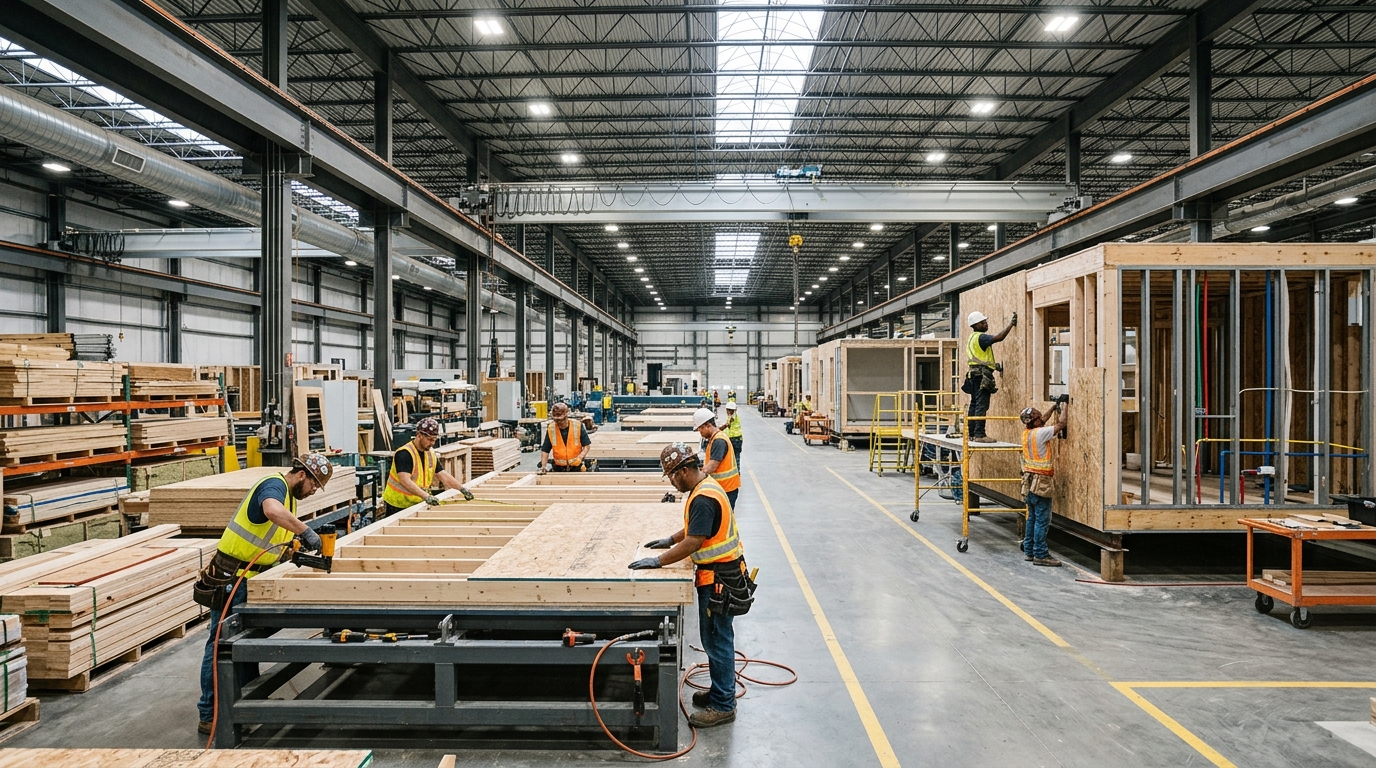
Factory-built housing uses components or sections manufactured in controlled facilities before workers transport them to the building site.
This method may help builders manage material waste, scheduling, and production consistency.
However, it still requires appropriate foundations, site preparation, utility connections, inspections, and compliance with applicable building standards.
The 2026 legislation seeks more consistent statewide treatment of qualifying factory-built housing structures.
Why factory-built housing rules are changing
Different inspection procedures and overlapping requirements can complicate factory-built construction.
California’s new measures expand inspection options, address duplicative reviews, and seek to reduce excessive local permitting and inspection fees.
The package also addresses financing challenges because factory production may require payments before components reach the final building site.
Improved financing rules could make some projects easier to deliver.
Still, the final price of a home depends on land, transportation, infrastructure, labor, financing, and market conditions.
Factory-built construction is not automatically cheaper for every location or project.
Targeted support for moderate-income rental housing
The September package establishes a limited pilot program involving a property-tax incentive for certain qualifying rental developments.
The program targets moderate-income housing in Alameda County, Sacramento County, and San Francisco.
This is not a statewide rent discount for every tenant.
Rather, it creates an incentive intended to support eligible new rental housing within specified jurisdictions.
Project eligibility and affordability requirements will matter when determining which developments can participate.
Residents should consult the relevant state and local agencies for implementation details.
What the California Housing Reforms Mean for Residents
Housing policy can affect different households in different ways. A renter searching for a more affordable apartment faces different concerns from a homeowner planning repairs.
Likewise, a first-time buyer may focus on ownership opportunities, while a community organization may examine neighborhood development impacts.
The 2026 package addresses several of these interests, but its practical results will develop over time.
Understanding the limits of each reform helps residents avoid unrealistic expectations.
What homeowners, renters, and buyers should watch
Homeowners may benefit from changes to certain home-improvement approvals. The new package includes measures designed to simplify approval for qualifying energy-code-compliant window replacements.
It also addresses some homeowners association restrictions affecting those upgrades.
However, homeowners should verify the precise requirements before ordering construction work.
Historic preservation rules, safety requirements, contractor licensing, and other applicable obligations may still affect a project.
How to prepare for housing changes in 2027
If you own a home and plan a renovation, begin with your local building department.
Describe the project and ask which permits, inspections, and approvals apply.
Request written information when possible. Then, compare estimates from appropriately licensed professionals.
If you belong to a homeowners association, review the governing documents and ask how current state law affects your proposed improvement.
Do not assume that an announced reform eliminates every approval requirement.
For renters, the most useful step is to follow verified announcements about new housing projects and application procedures.
New construction does not guarantee immediate availability. Affordable units may have eligibility rules, waiting lists, or separate application processes.
Why new housing takes time to reach the market
Even after lawmakers approve reforms, developers must secure financing, finalize plans, obtain necessary permits, and complete construction.
Some projects may also face infrastructure limitations or market changes.
Therefore, a bill signed in September 2026 may influence development decisions before residents see completed housing.
Readers should distinguish proposed units, approved units, construction starts, and finished homes.
Each figure measures a different stage of the housing process.
Major redevelopment projects in the housing package
California’s announcement also highlights efforts to advance two major redevelopment sites.
One involves the former Concord Naval Weapons Station, where plans contemplate at least 10,000 homes, including an affordable-housing component.
Another involves the former Sports Arena site in San Diego, where plans include thousands of homes alongside entertainment, commercial, and public spaces.
These figures describe planned development rather than completed construction.
Project timelines, environmental reviews, financing, and other approvals can affect delivery.
Residents should follow official local project updates rather than relying solely on headline housing totals.
What statewide construction statistics really mean
In announcing the legislation, the governor’s office reported that annual residential construction increased from approximately 70,000 homes in 2018 to about 111,000 in 2024.
The administration described that difference as a 59 percent increase.
These figures provide context about statewide construction activity.
However, higher construction totals do not necessarily mean every California region has enough affordable housing.
Local demand, household income, housing type, and location all influence affordability.
For broader public-safety and transportation context, explore CaliBrief’s California car seat safety guide.
How housing development connects with transportation
Where people live affects how they commute, access jobs, and reach essential services.
New homes near employment centers or reliable transportation may reduce some travel burdens.
However, projects without adequate infrastructure can place pressure on existing roads and services.
Residents reviewing local development proposals should examine transportation plans, pedestrian access, public transit connections, and school capacity.
For readers considering vehicle expenses alongside housing costs, CaliBrief’s 2026 used-car buying guide explains another recent change affecting household budgets.
Check local rules before making financial decisions
State legislation establishes important requirements, but local procedures can vary within the permitted legal framework.
If you plan to purchase a newly built home, confirm whether the project has the required approvals and whether construction is complete.
Ask about homeowners association fees, property taxes, warranties, and estimated ongoing expenses.
If you plan a renovation, obtain a detailed written contract and verify the contractor’s licensing information.
For rental housing, confirm application requirements through the official property manager or housing agency.
Avoid paying deposits to unverified individuals who claim access to unavailable units.
Follow original sources for future housing updates
California housing laws often involve several agencies and levels of government.
The governor’s office announces signed bills, while the California Department of Housing and Community Development provides broader policy and program information.
Local planning departments publish project-specific notices, hearings, and application procedures.
For a developing project, check the original documents and dates before drawing conclusions.
You can also browse CaliBrief’s California news and explainers for related statewide coverage.
What to remember about the 2027 outlook
California’s September 2026 housing package seeks to improve approvals, encourage townhome construction, support factory-built housing, and expand certain affordable rental options.
It also addresses selected home improvements and major redevelopment projects.
These changes may influence housing supply over time, but they do not instantly lower rents or guarantee that every proposed development moves forward.
California housing laws for 2027 deserve attention because they could change how some residential projects progress from planning to construction.
Residents can prepare by monitoring official implementation dates, reviewing local requirements, and making housing decisions using verified information.
Editorial note: This article reflects the housing legislation announced on September 29, 2026. Individual measures may have different effective dates, eligibility standards, and implementation procedures. Confirm the applicable law before relying on it for a specific project.